
Top features of a medical website
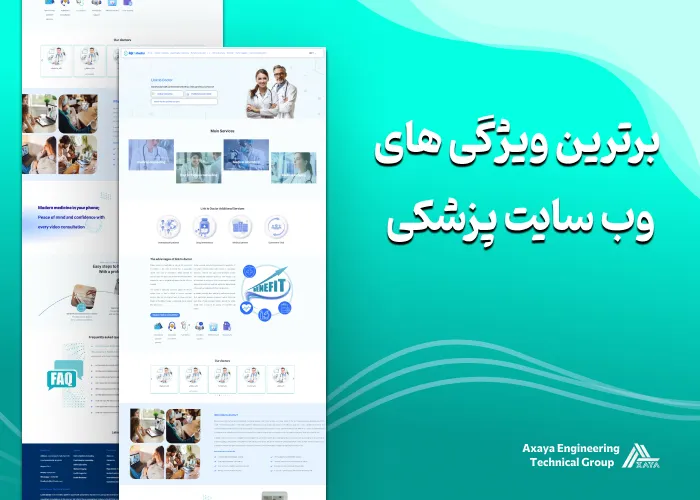
- Top features of a medical website
- A Frictionless and Intuitive User Journey
- The Secure and Integrated Patient Portal
- 24/7 Online Appointment Scheduling
- Integrated Telehealth and Virtual Care Services
- Strategic SEO for Local and Mobile Visibility
- Unwavering Commitment to Security and HIPAA Compliance
- Inclusive and Accessible Design for All
- Engaging and Empowering Patient Education Resources
- Data Analytics for Continuous Improvement
Top features of a medical website
In today’s digital-first world, the patient journey no longer begins by walking into a clinic; it starts with a search query. A medical website has evolved from a static online brochure into a dynamic and critical component of healthcare delivery. For practices to remain competitive and meet the evolving expectations of modern patients, their digital presence must prioritize functionality, user experience, and innovation. As we look to 2025, a truly effective medical website is an integrated ecosystem designed to serve, inform, and empower patients at every step.
Here are the essential features that will define the leading medical websites in the coming year.
-
A Frictionless and Intuitive User Journey
A modern medical website must be built for clarity and ease of use. When a visitor is seeking medical information or services, they are often under stress. A complicated or slow interface only adds to their frustration. The design philosophy should be centered on removing barriers and guiding users effortlessly to their goals.
Key Elements of an Effortless Design:
- Seamless Mobile-First Experience: With the majority of patients accessing sites from their smartphones, a responsive design that functions flawlessly on any device is non-negotiable. Google’s mobile-first indexing also makes this critical for search visibility.
- Lightning-Fast Load Speeds: Every second counts. Optimizing images, code, and server response times is crucial for reducing user bounce rates and improving patient satisfaction.
- Logical Navigation & Clear Calls-to-Action (CTAs): A well-organized menu that directs users to primary sections—such as “Services,” “Find a Doctor,” and “Patient Portal”—is essential. Prominent, clearly labeled buttons like “Book an Appointment” or “Access Your Records” should guide the user’s next step.
-
The Secure and Integrated Patient Portal
The patient portal is the secure digital hub where healthcare management becomes interactive and patient-centric. For 2025, this feature is a cornerstone of patient engagement, offering transparency and control over personal health information.
Core Components of a Modern Patient Portal:
- Ironclad Security: Implementing multi-factor authentication (MFA) is the standard for protecting sensitive patient data and ensuring privacy.
- On-Demand Access to Health Records: Patients expect the ability to view, download, and share their lab results, treatment plans, and medical history at their convenience.
- Secure Provider-Patient Messaging: A secure messaging system allows patients to communicate directly with their care team for non-urgent questions, reducing phone tag and administrative workload.
- Integrated Billing and Payments: Streamline the payment process by allowing patients to view statements and securely pay their bills online.
-
24/7 Online Appointment Scheduling
The traditional 9-to-5 phone call for booking an appointment is becoming obsolete. Patients now expect the convenience of on-demand scheduling that fits their busy lives. An integrated online booking system is no longer a luxury but a necessity.
Advantages of an Online Scheduling System:
- Round-the-Clock Accessibility: Patients can book appointments anytime, anywhere, significantly improving access to care and filling schedules more efficiently.
- Automated Reminders: Drastically reduce no-shows by sending automated appointment reminders via email and SMS.
- Real-Time Calendar Syncing: The system should integrate seamlessly with the clinic’s internal calendar to display up-to-date availability and prevent double-bookings.
-
Integrated Telehealth and Virtual Care Services
Virtual care is now a permanent fixture in the healthcare landscape. A forward-thinking medical website must fully integrate telehealth services, making virtual consultations as easy to access as in-person ones.
Key Features for Telehealth Integration:
- Secure, High-Quality Video Consultations: The platform must provide a stable and secure video connection that is compliant with privacy regulations.
- Unified Patient Record: Ensure that notes and data from virtual visits are automatically synced with the patient’s electronic health record (EHR) to maintain continuity of care.
- Effortless Access: Patients should be able to schedule, check in, and launch their virtual appointments directly from the website or patient portal with minimal technical hurdles.
-
Strategic SEO for Local and Mobile Visibility
An outstanding website is ineffective if patients can’t find it. A robust Search Engine Optimization (SEO) strategy is essential for appearing at the top of search results when potential patients are looking for care.
Essential SEO Strategies for Medical Websites:
- Local SEO Dominance: Optimize your site with location-specific keywords, a Google Business Profile, consistent contact information (Name, Address, Phone), and positive patient reviews to attract local patients.
- Content-Driven Authority: Regularly publish valuable, high-quality educational content such as blog posts, articles, and detailed FAQs. This positions your practice as a trusted authority and improves search rankings.
- Technical SEO Health: Ensure your site is technically sound, with fast load times, a mobile-friendly design, and a secure (HTTPS) connection, as these are all major ranking factors for Google.
-
Unwavering Commitment to Security and HIPAA Compliance
Medical websites handle Protected Health Information (PHI), making security and regulatory compliance paramount. Adherence to standards like the Health Insurance Portability and Accountability Act (HIPAA) is critical for protecting patients and the practice.
Essential Security Measures:
- End-to-End Data Encryption: All data transmitted through the site—especially through contact forms, patient portals, and payment gateways—must be encrypted.
- Regular Security Audits: Proactively conduct vulnerability scans and security assessments to identify and patch potential weaknesses.
- Strict Access Controls: Implement role-based access to ensure that staff members can only view the information necessary for their jobs.
-
Inclusive and Accessible Design for All
Healthcare is for everyone, and your website must reflect that. Designing according to Web Content Accessibility Guidelines (WCAG) ensures that patients with disabilities can navigate and interact with your site effectively.
Best Practices for Accessibility:
- Screen Reader Compatibility: Use descriptive alt text for all images and ensure the site can be navigated using a keyboard alone.
- Readable Content: Employ high-contrast color schemes and allow users to resize text without breaking the layout.
- Multilingual Support: To serve diverse communities, consider offering content in multiple languages.
-
Engaging and Empowering Patient Education Resources
An informed patient is an empowered patient. By providing reliable and easy-to-understand health information, you can build trust and support patients in making better health decisions.
Types of Educational Content:
- Health & Wellness Blog: Share articles on common conditions, preventive care, and new treatments.
- Interactive Tools: Engage users with helpful resources like BMI calculators or symptom checkers.
- Video Library: Create short, informative videos explaining procedures, post-operative care, or how to use the telehealth platform.
-
Data Analytics for Continuous Improvement
To ensure your website remains effective, you must track its performance. Using analytics tools helps you understand user behavior, identify friction points, and make data-driven decisions to continuously enhance the patient experience.
Key Metrics to Monitor:
- Appointment Conversion Rate: Track how many website visitors successfully book an appointment.
- User Flow and Traffic Sources: Understand how users navigate your site and where they come from (e.g., Google search, social media, referrals).
- Page Load Times and Bounce Rates: Identify slow or unengaging pages that need improvement.
By embracing these essential features, healthcare providers can build a digital presence for 2025 that not only attracts new patients but also fosters long-term relationships built on trust, convenience, and exceptional care.

rostami2025-09-22T16:47:38+03:3008/08/2025|0 Comments
Artificial intelligence is often associated with chatbots like ChatGPT, but in reality, this technology has been shaping the medical field for quite some time. In this article, we will explore artificial intelligence (AI), machine [...]

rostami2025-09-23T13:57:58+03:3011/07/2025|0 Comments
This article explores how healthcare systems are being integrated with AI-powered solutions—an evolution driven by the convergence of medicine and technology that is reshaping models of care delivery. Cloud computing plays a crucial role [...]
rostami2025-06-17T20:53:48+03:3010/05/2025|0 Comments
Top features of a medical website In today's digital-first world, the patient journey no longer begins by walking into a clinic; it starts with a search query. A medical website has evolved from a [...]

rostami2025-06-17T21:38:09+03:3010/05/2025|0 Comments
Essential Tools for Professional Medical Website Design Introduction: The Foundation of Your Digital Practice In today's digital landscape, a professional website is a fundamental asset for any medical clinic or physician. It serves as [...]